Tag Archives: RV lifestyle

The RV lifestyle

Making a commitment to travelling in a smaller RV comes with its own challenges. Think small. Think simple. With the right mindset and a little preparation, you’ll find it’s a breeze.

ECO-ENERGY CONSUMPTION
Investigate solar panels, to create your own mobile power supply. Better yet, think about the ways you use/need energy and make an effort to reduce demand. We find we can go several days on our leisure battery without losing lights at night, laptop operation or energy to our water pump. Mind you, we don’t run toasters, coffee makers or other energy-hogging devices. If you are smart about it, the leisure battery can take you a long way. It recharges while we drive, which makes travel days a snap. We haven’t run out of juice yet.

LOSE THE CLUTTER
No matter how little room you have at home, we can guarantee there will a lot less space to store, stack and squirrel away items onboard a Class B RV. The trick is to separate “need” from “want” and focus on the “need” items first and foremost. After the essentials are taken care of, assess the storage space left before adding more items. You’ll likely find that you can live quite comfortably with much less than you think. By the time you get back home you’ll wonder why in the world you have all that other “stuff” filling your house.

KEEP YOUR RV SPACE TIDY
If you and your significant other have a difference in how clean and tidy things are around the house, before you depart on an RV vacation is the best time to settle. Leave it until you’re on the road, and things could get “complicated” (think: nasty). Be clear about expectations, set the ground rules and do your best to follow them. Besides, messy in a large space (like a house) is a whole different creature than messy in 120 square feet.

FOOD SAFETY
Make sure your fridge is operating at a safe temperature. Don’t stock up too much on perishable items like meat, cheese and eggs (food tip: “liquid” eggs in a carton make omelettes that are just as good as the more fragile ones in the shell). Buy as you go is the best strategy. Have a supply of vacuum plastic bags and hard-sided tubs to pop things into the fridge and freezer.

LEARN SOME BASIC MAINTENANCE SKILLS
Things break down. It helps to keep a supply of smaller items (fuses and tools, anyone?) so you can repair things enough to limp into the mechanic.

HANDLING THE DOLLARS & CENTS
Set up a system to pay your bill online. We’re not fans of automatic payment plans (we like to see the bills long beforehand and make sure there are no errors in charges). Others find the auto payment system works well. Others still, arrange for someone back home to collect and pay the bills on time. Find a system that works for you. What not to do: ignore the bills, leave them in a pile waiting back home, cross your fingers and hope for the best!

HAVE A BACK-UP PLAN
Breakdowns happen. Bad weather happens. Bookmark the websites for Environment Canada, the National Hurricane Center and your favourite online weather websites. Learn the seasons for bad weather (June through November for hurricanes along the Atlantic and Gulf coastlines; April through May for tornados through the Midwest). Check before heading out on a long drive. We know of what we speak: we rode out a tornado in Kentucky and it is not an experience we’d care to repeat!

How to buy a used Class B RV

THE BASICS

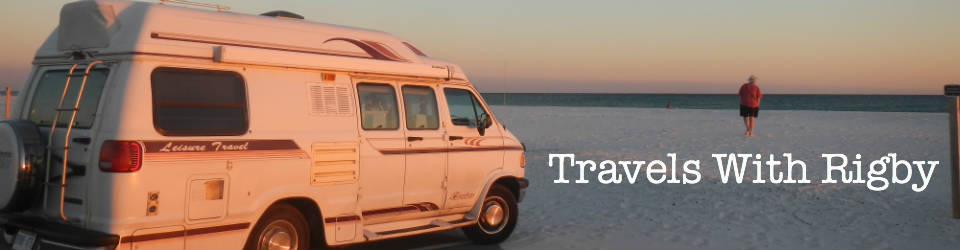
We are Class B RV people. For those of you new to the world of RV travel, a Class B RV is a camper van conversion. The two other motorized types are Class A (bus style) and Class C (the mid-size motorhome with a boxier style built onto a commercial chassis). We write what we know about (i.e. tips for buying a used Class B RV) - our current Class B camper van is our third. They’ve all been older models. But a lot of these questions and tips would apply to the process for buying any used RV, regardless of the class or size.

First - and most importantly - determine exactly what sort of traveller and camper you are:

  • Are you comfortable driving a larger unit?
  • Who’s going to be doing most of the driving?
  • What are your budget limitations? Obviously, the larger the unit, the thirstier the engine. There’s also the question of gas vs diesel fuels (diesel gets better mileage).
  • Are you looking to visit out-of-the-way places? Some campgrounds - some of our favourites, as it turns out - have narrow roads and tight campsites. You don’t want to be trying to do three-point turns to shoehorn a Class A into a Class B-sized site. Some older cities like Santa Fe and New Orleans have narrow streets that would be a nightmare for larger motorhomes to navigate.

When we ticked the boxes, we found that a Class B vehicle is our best fit. It’s our comfort zone: smaller environmental impact, more flexibility, easier to manoeuvre. We lean toward the minimalist approach (don’t need or want TV or toasters). But it’s important to find your own level of comfort.

It makes sense to invest a little to save a lot. Rent (or borrow) the size motorhome you are thinking of buying. Take it for a weekend and see if it is a good match for your needs and lifestyle. You’ll either be smitten (as we were) or the small space and minimalist approach may be a total turn off. Only you can decide.

NEW OR USED?

Ahhh . . . that is the question. It’s a matter of how deep your pockets are, and again, finding your comfort level with the mileage on the odometer. Campers and motorhomes are no different from passenger vehicles: the more miles on the ticker, the more wear and tear, the chance that something will eventually wear out or need to be replaced.

Just know that the motorhomes on the road these days can be very expensive new: $120,000 for a decked-out Class B would not be unusual. Class C motorhomes start at around $60,000 and rise rapidly and a bus-size Class A can easily top $200,000.

If you’re on a budget, it’s easy to make a case for buying used. May we suggest:

  1. Start searching now. The more units you see, the better idea you’ll have of the different models, interior layouts, price points and conditions. There’s a lot of variety on the market. That way, when you find the right unit for your needs and wallet, you’ll know right away. Check Kijiji, autoTRADER, local newspaper ads, online discussion boards for RVers and local RV dealers. Keep your eyes open when you’re driving around town - some units are parked in the driveway with For Sale signs in the window.
  2. Keeping an eye on ads at autoTRADER or Kijiji gives you an idea of what sale prices are for units by year and mileage. It’s all part of the education. You can also search online at the NADAguides - although the prices given are tracking U.S. sales.
  3. Talk to other RV owners to ask what they’d wish they’d known when they purchased their first unit.
  4. If buying an RV is a new venture for you, try to bring along a friend who has been down that road before. They’ll have ideas for what to look for and a familiarity with the basics of a camper van.
  5. When you find something you’re interested in begin with a phone call and a list of questions (see below). If things look good arrange a time to see and test drive the unit. When you call, ask that the camper features be up and running so they can be tested: the propane for the fridge and cooktop, the fridge should be turned on and running, etc. Bring along your full checklist of things to ask and features to test. Take a lot of notes.
  6. Seeing makes all the difference. Layouts vary from one model to the next and you’ll need to find the one that works for you. Craig is over six feet, so testing the comfort of the driving compartment, the length of the bed and headroom standing in the living quarters of the van were make-or-break.
  7. Make sure to connect with your insurance agent to get a quote. It’s an important budgeting step.
  8. Be patient. Look around and sooner or later the right one will come onto your radar.

FEATURES TO THINK ABOUT

  • Type of fuel and rate of consumption.
  • How comfortable are you backing up? A back-up camera may be for you.
  • Is a shower in the unit important? Or will you be relying on showers in campground comfort stations?
  • Do you need a microwave?
  • Planning on camping in either hot weather (need an air conditioner?) or cold weather (need a heater?).
  • Space requirements: length of the bed, height inside for standing, size of the driving compartment, inside table space (for working or eating), storage space for clothing, instruments, fishing gear, etc.
  • If you plan to do a lot of cooking, you’ll want adequate pantry space and storage for pots and pans.

BUYING CHECKLIST

  • Why is the current owner selling? How long have they owned it?
  • Year and odometer reading?
  • Is the body dinged up? Has it ever been in an accident? Ask about any body work (accident related and not).
  • Gas consumption - gas or diesel, miles per gallon? City or highway driving?
  • How has the camper been used - how often, what times of the year, long trips or short trips, everyday driving or vacation travel? According to our mechanic, infrequent use is not necessarily a good thing.
  • How has it been stored - especially over the winter months?
  • Who does the regular maintenance - owner or mechanic? Are there records showing regular oil changes, tune-ups, etc.?
  • Wear and tear on the tires? Check the condition of the spare.
  • Test the batteries - both the engine battery and the leisure battery (the one that runs the interior lights, water pump to the sink and toilet, etc.).
  • Have major mechanical parts been repaired or replaced. This would include transmission, brakes, shocks and struts, timing belt, alternator, etc. Are there any written records of this work that show the date/mileage point and the work done?
  • Run the water systems: turn the taps on at the sink, flush the toilet, run the showers (inside and outside if there is one).
  • Test the propane burners on the stove. Propane regulations vary and are different in each province or state.
  • Test the microwave if there is one - you’ll need to be connected to a land power source.
  • Turn on the heater and play with the thermostat to make sure that it blows hot air.
  • Turn on the air conditioner (you’ll need to be hooked into land power for this).
  • Test the ceiling vent fan. The brand Fantastic Fan is the most common and it moves a lot of air very efficiently.
  • Test all the inside lights.
  • Test the fridge on all settings. We have three-way fridge that runs on 12V, electrical hookup and propane. Chances are you’ll be using the propane hookup and the electrical connection at a campground.
  • Inspect the condition of the carbon-monoxide alarm, smoke detector, fire extinguisher.
  • Check the condition of walls, ceiling (have there been any leaks?) and flooring.
  • Check the condition of the cushions - especially on the bed area - and the curtains.
  • Check the outlet valves for the grey water and black water (sewage) tanks.
  • Unroll the awning (if equipped) and check for rips, tears and condition of the mechanism.

The chances are that the unit you’re looking at will need some modifications and/or repairs. Best to know what they are right from the start.

For a printable version of this checklist, click here: Camper van - inspection checklist

Navigating health coverage

Nothing ruins a trip like a health crisis. We pay attention to the condition of our van before we leave (getting a top-to-bottom check of all the safety and wear and tear aspects) and we most definitely do the same when it comes to our health. So, being properly covered as we head down the highway? Absolutely.

Plan ahead. To leave finding adequate health insurance until the last minute is courting disaster. Best to do a little legwork first - find out what coverage you may have (as an employment benefit, credit card coverage, annual add-on to your home policy, etc.) and then top up if necessary. And make sure to do a little research into the rules governing the length of times Canadians can visit the United States annually and how it effects their provincial health coverage.

Pack prescription medications you will need for the time away (bringing extra doesn’t hurt) and bring the original containers from the pharmacy, a list of your regular prescription meds and the contact info for your doctor back home. You just never know when you’ll need the information (and if you don’t bring it along, that’s usually when you need it!).

We’re both self-employed and as a result we are without out-of-province health care coverage. We’ve signed up for travel health coverage through our credit card, the AMEX Gold Card. There is an annual fee for the card (although there are frequent sign-up specials that waive the fee for the first year) and it comes with a host of benefits, including out-of-province health coverage for eligible emergency medical expenses for the first 15 consecutive days of a trip (under age 65). We’ve signed up for the additional multi-trip plan coverage because we travel several times over the year (and often for longer than the 15 days of basic coverage). The exact cost will vary depending on individual circumstances but we’ve found it provides great coverage for a very reasonable cost.

According to CBC News:
“OHIP pays up to $400 CAN per day in U.S. hospital costs, depending on level of care. The plan also reimburses outpatient visits at $50 CAN per day. And it reimburses physicians costs at the rate they would be paid in Ontario. If a U.S. physician charges more than a Ontario doctor for the same procedure, the Ontario patient pays the difference.”

And costs in a province like Ontario are generally significantly lower than in the United States.

Now, a few sobering numbers about costs to a U.S. hospital visit:

  • broken arm: $5,000
  • stitches: approximately $500/stitch
  • kidney stone treatment: $4,300
  • urinary tract infection: $2,600
  • sprained ankle: $1,500
  • headache: $1,700

You get the idea. The smart thing to do is to determine your exact circumstances and your needs. Call around, investigate and gather information on the alternatives. Try CAA or AAA, your credit card company, travel agents and your insurance provider (the latter often has separate coverage available). It’s a matter of finding the right fit for your needs. But whatever you do, don’t do without.


Locate cheap gas

FINDING IT

Gas Buddy gathers information from stations all across North America and then sorts it by region. The interactive gas price maps are great as prices vary as you cross state or provincial lines (and even from one county to the next). There’s a link on the site for free mobile apps.

AAA Daily Fuel Gauge Report collects price info on a daily basis by U.S. state. The website has a very cool fuel cost calculator that allows you to plug in your trip start and finish points (drawback: it only uses major cities), the vehicle you are driving and - voila! - it calculates trip distance (in miles), gas (in U.S. gallons) and the estimated fuel costs based on the day’s prices at the pump.

In Quebec, it’s possible to track the prices of gas by region at the CAA-Quebec’s Gasoline Watch website.

DOING THE MATH

The fast way is to take the price per gallon at the pumps in the U.S. and multiply by .26 = $/litre.

For example: $3.60/ U.S. gallon X .26 = 94¢/litre
(in U.S. dollars, so this is the point where you’ll need to make the currency conversion).

Or, you can head to a conversion website, plug in the dollar amount on the pump and let the experts do the math.

Remember the number you come up with is in U.S. dollars, so to convert to Canadian dollars multiply the number you calculated by the current exchange rate.

PAYING AT THE PUMP

Across the U.S. it is standard to pay at the pump or pre-pay inside the station before pumping fuel. Many pumps ask for a U.S. zip code before they will authorize the use of a credit card.

Enter: a combination of any three numbers + 00 for your zip code and you’ll be away to the races. For example, we use “01000.”


Pet-friendly Travel

We’d never think of leaving Rigby behind. We like to joke that the camper van is essentially a large dog kennel. It gives her space to stretch and is a safe place for her while we might be out and about.

Taking a dog (or cat) along on travels is becoming popular for both families and especially for snowbirds who are heading south and west for long-stay holidays.

Research Tools: Tips for thriving on the road

How to get started.

How to get moving.

How to keep “the wheels on the cart” while you’re travelling.

We’ve got advice on health insurance, filling the gas tank and staying connected while you’re away.

Also check out GoRVing.ca for lots of RV 101 information including a trip planning section, how to choose the right RV for your lifestyle and the basics of camping.

RV TRAVEL, PET TRAVEL, FOOD & MUSIC DESTINATIONS

We travel. We write. We publish.

Travels With Rigby is for web surfers who are looking for practical information on frugal RV travel, travelling with your dog (our pooch is Rigby), finding irresistible eats and sussing out music destinations. We’ve clocked the miles and visited the sights and these are the best from our travels: the who/what/when/where/why highlights for those that love music, food and the camping life.

You’ll find tips and info on:

  • Music trails and destinations.
  • Best ways to travel with your dog.
  • Foods we found irresistible.
  • Practical ways to travel by small RV.
  • Campsites and parks we’ve loved.
  • Planning realistically for gas costs, cell phone coverage, etc.

About us . . .

Travel writers. Foodies. Music lovers. Can’t go anywhere without our dog. Josephine Matyas works full-time as a freelance writer, specializing in travel and food. Craig Jones has got street cred: lots of miles on the road crisscrossing Canada as a professional musician, followed by just as many years tapping away at a computer keyboard.

JoCraig

It’s been an experiment: Taking her expertise (travel writing) and his experience (on the bandstand, teacher and writer), stirring it together and seeing what happens. Add a camper van (a 20-foot Leisure Travel Class B, for those who need the specs), an easy going Border Collie (Eleanor Rigby), a file full of maps and a GPS nicknamed “Hal” that sometimes toys with us (we prefer the maps).

Several times a year we pack up High Cotton (the Class B RV), take the dog for her trim, top up the gas tank and hit the road for a month or two at a time. We post links to articles we’ve published (see Words) and blog short bits and pieces while we are away from Home Base (Ontario, Canada).